

Celluloid is making a small yet impactful return in the fountain pen industry. Known for its warm feel, striking patterns, and distinct camphor scent, this material offers a nostalgic charm that modern plastics can’t replicate. However, its flammability and high production costs make it rare and expensive. Only a few manufacturers in Italy and Japan still produce celluloid pens, making them prized collectibles.
Here’s a look at four notable celluloid fountain pens:
- Platinum Century 3776 Celluloid: Hand-rolled with a 14k gold nib, priced around $600. Offers vibrant patterns like "Calico" and a durable "Slip and Seal" mechanism.
- Laban 325 Damask: Features evolving colors and a gold-plated stainless steel nib, priced between $180–$189.
- Montegrappa Passione Celluloid: Made from cellulose nitrate with sterling silver trims and an 18k gold nib. Limited editions can cost up to $3,540.
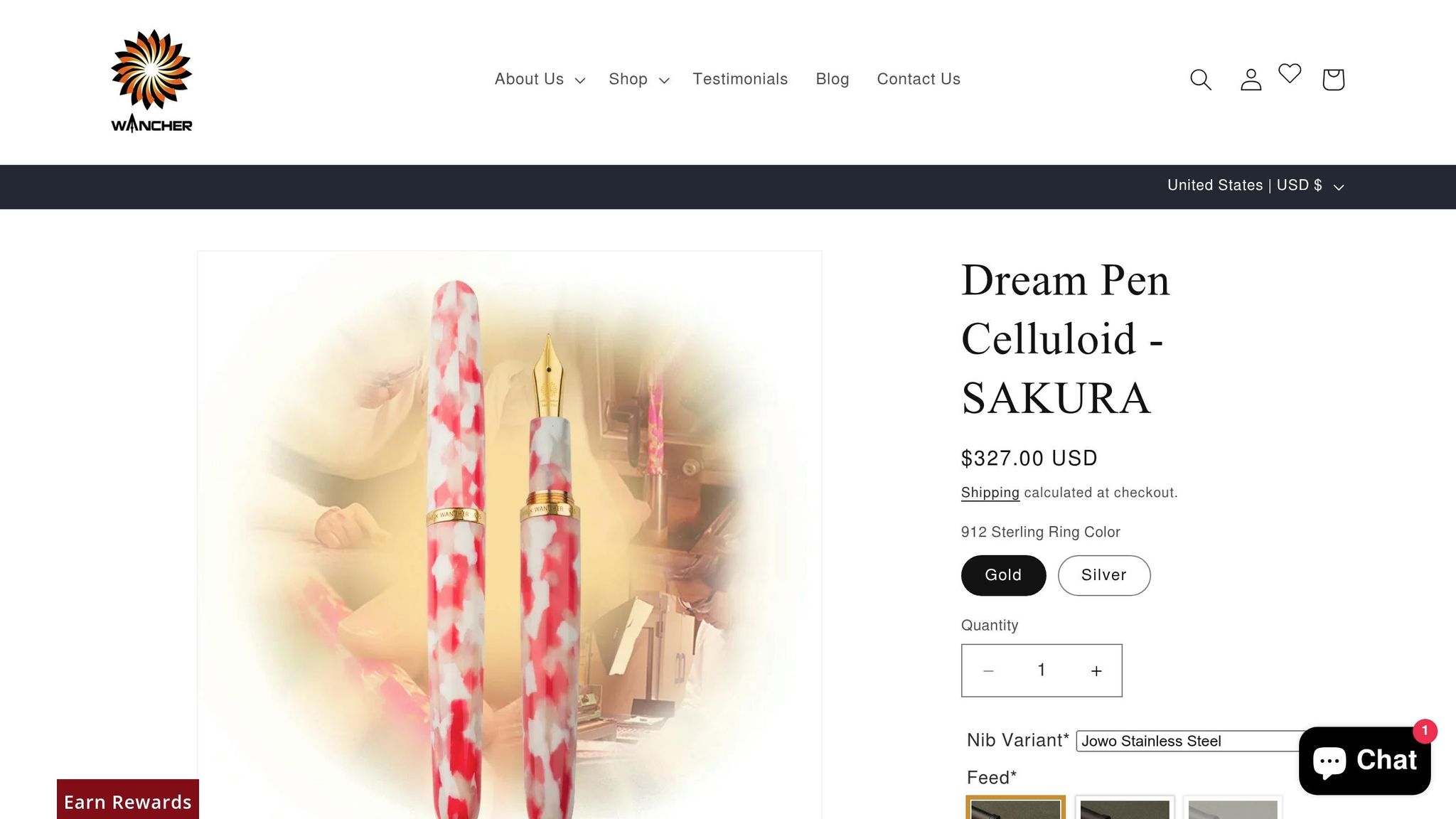
- Wancher Dream Pen Celluloid Sakura: Inspired by cherry blossoms, this pen showcases fine craftsmanship with limited availability.
Each pen blends vintage aesthetics with modern engineering, but they require careful handling to preserve their quality and longevity. Prices range from $180 to over $3,500, making it essential to follow a fountain pen buying checklist reflecting the challenges of working with celluloid and its rarity in today’s market.
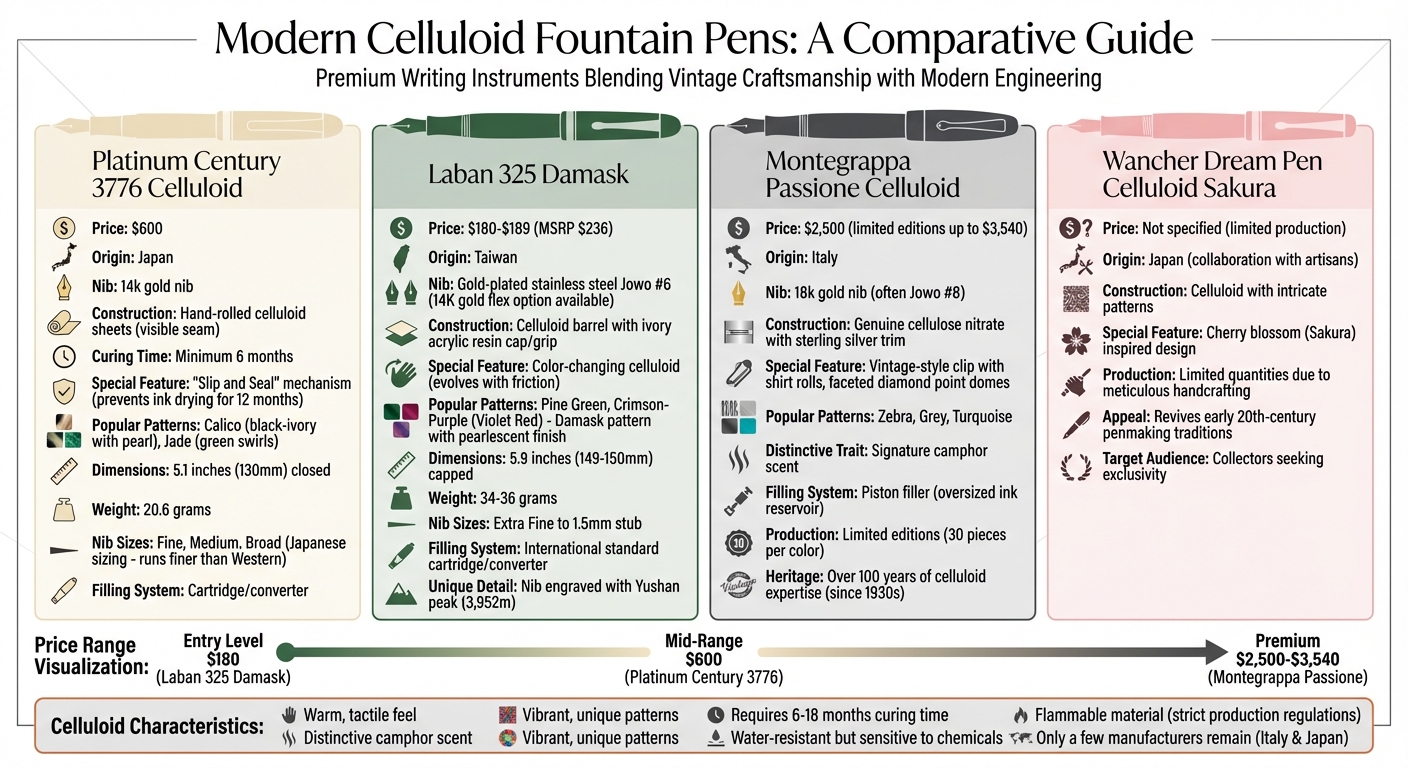
Celluloid Fountain Pens Comparison: Features, Prices, and Specifications
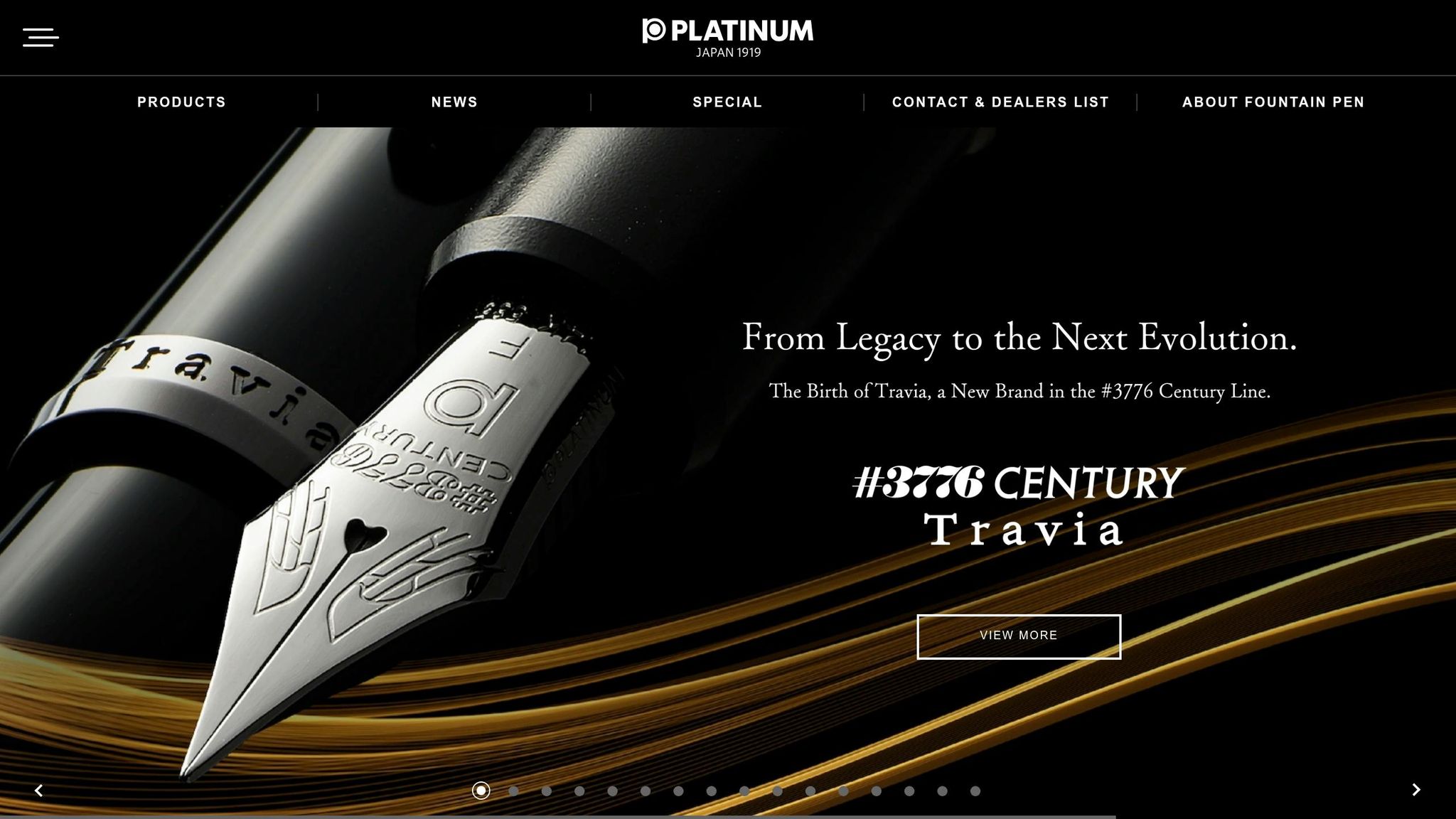
1. Platinum Century 3776 Celluloid
Material Quality and Aesthetic Appeal
The Platinum Century 3776 Celluloid stands out thanks to its hand-rolled construction. Unlike pens crafted from solid blocks, this pen's barrel is made by rolling thin sheets of celluloid. This process leaves a visible seam where the sheet edges meet - a detail that collectors often admire as a mark of handmade craftsmanship.
The celluloid material undergoes a minimum six-month curing and drying process to ensure stability and prevent warping. This meticulous preparation results in a material with exceptional depth of color and vibrancy that surpasses standard resins. Popular finishes include "Calico", which features a striking black-and-ivory pattern with pearl highlights, and "Jade", showcasing swirls of light and dark greens. The pen measures approximately 5.1 inches (130 mm) when closed and weighs about 20.6 grams, offering a balanced feel in hand.
Writing Performance
While its appearance is captivating, the Platinum Century 3776 Celluloid also excels in writing performance. It features the same 14kt gold nib and feed used in the highly regarded Nakaya Urushi pens, which are priced significantly higher. Each nib is crafted and tested in-house by Platinum to ensure precision and quality. The pen also includes a "Slip and Seal" mechanism, a spring-loaded inner cap that keeps the ink from drying out for up to 12 months - even if the pen is unused.
Japanese nib sizing tends to run finer than Western standards, so the Fine nib writes as thin as a Western Extra-Fine. Available nib sizes include Fine, Medium, and Broad, all of which deliver consistent and smooth performance thanks to Platinum's strict quality controls. The pen is compatible with a cartridge/converter system, and a converter for bottled ink is typically included.
Durability and Longevity
Though celluloid is often considered delicate, Platinum's formulation is described as waterproof and shatterproof. While the curing process takes at least six months, full stabilization can require up to 18 months. Proper care is essential: store the pen in breathable environments away from direct sunlight and extreme temperatures. Avoid airtight plastic containers, as these can accelerate deterioration. Instead, opt for acid-free boxes or pen trays. Cleaning should be done with a dry or slightly damp cloth. These steps help ensure the pen’s longevity and preserve its craftsmanship.
Production and Availability
The Platinum Century 3776 Celluloid typically retails for around $600.00. The "#3776" in its name pays homage to Mount Fuji's height of 3,776 meters (12,388 feet). Each pen is hand-rolled, meaning patterns like "Koi" or "Tortoise" vary slightly from one pen to another, making every piece one of a kind. This labor-intensive production process, combined with the lengthy curing time, limits the pen's availability and reinforces its position as a premium product in the market.
sbb-itb-1dd4fe9
2. Laban 325 Damask
Material Quality and Aesthetic Appeal
The Laban 325 Damask stands out for its dynamic nature. Unlike standard resin pens that retain a static appearance, this pen's celluloid material evolves over time, changing color with friction. This characteristic adds a layer of uniqueness, blending a vintage feel with modern design elements. A Laban representative described the material's allure:
"Celluloid's unpredictability is fascinating. True Celluloid, with its ever-changing aroma, releases a medicinal scent upon friction, akin to camphor but with a hint of earthy aroma."
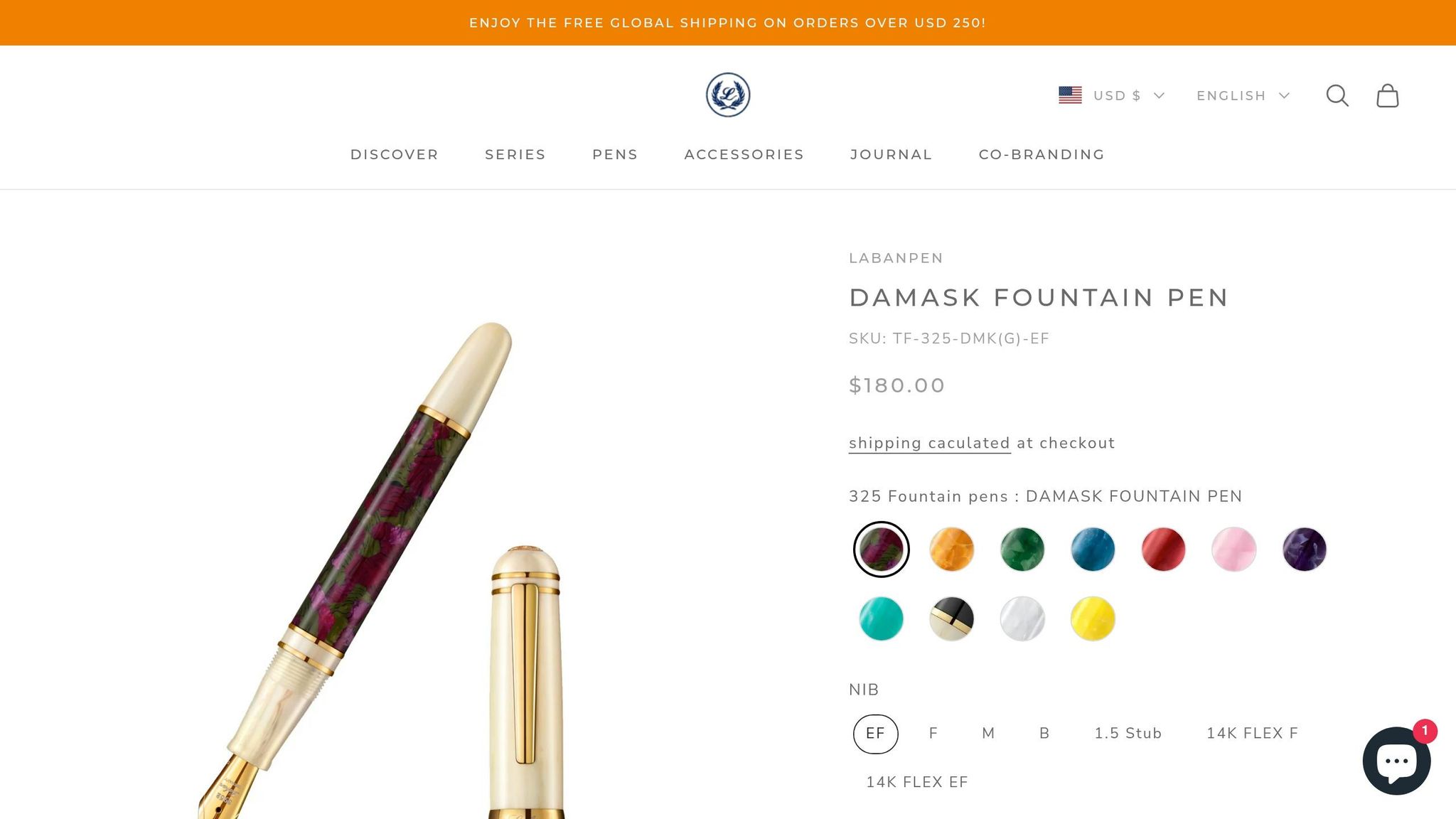
The pen's design pays homage to traditional brocade fabrics and the fluidity of water, featuring a Damask pattern. It comes in two striking color options: Pine Green and Crimson-Purple (Violet Red), both with a pearlescent finish. The barrel is crafted from celluloid, while the cap and grip are made of ivory acrylic resin, accented with gold-plated trim. Measuring approximately 5.9 inches (149–150 mm) when capped and weighing between 34 and 36 grams, the pen also showcases a stainless steel nib engraved with Yushan, Taiwan's highest peak at 3,952 meters (about 12,966 feet).
Durability and Longevity
While celluloid is lightweight and water-resistant, it requires careful handling due to its sensitivity to chemical solvents. Alcohol-based cleaners or disinfectants can damage the material, causing micro-cracks or degradation. To maintain its quality, Laban recommends cleaning the pen with water only and washing hands before use to minimize oil or chemical transfer. Storing it in a dedicated pen bag or its original gift box helps protect against scratches from sharp objects.
"The acrylic resin part may become weak and get tiny cracks easily... we suggest you clean your pen with just water."
This meticulous care routine reflects the craftsmanship and attention to detail that go into modern celluloid pens.
Writing Performance
Equipped with a gold-plated stainless steel Jowo #6 nib, the Laban 325 Damask offers smooth and consistent writing. For those seeking more flexibility, a 14K gold flex nib option is available. The pen uses an international standard cartridge/converter filling system and comes in nib sizes ranging from Extra Fine (EF) to a 1.5mm stub. Its balanced design ensures comfortable use, even during long writing sessions, and users frequently rate its medium ink flow as outstanding.
Production and Availability
The Laban 325 Damask showcases the complexity of working with celluloid, a material known for its flammability and strict transportation regulations. These challenges make celluloid pens increasingly rare. Priced between $180 and $189, with a suggested retail price of $236, this pen exemplifies the effort and craftsmanship invested in its creation. It reflects a continued evolution in the design and production of modern celluloid writing instruments.
3. Montegrappa Passione Celluloid
Material Quality and Aesthetic Appeal
With over a century of experience in penmaking, Montegrappa has perfected the art of crafting celluloid into exquisite writing instruments. As one of the first companies to embrace celluloid in the 1930s, their expertise is evident in the Passione Celluloid's design and construction. This material offers a unique combination of weight and warmth, reminiscent of the charm of ebonite feeds.
The Passione is made from genuine cellulose nitrate, prized for its vibrant colors and signature camphor scent. Available in striking color options like "Zebra", "Grey", and "Turquoise", each pen reflects the meticulous craftsmanship Montegrappa is known for. The camphor scent adds a nostalgic touch, enhancing the pen’s vintage feel. Accents include sterling silver trim, vintage-style clips with shirt rolls, and faceted diamond point domes. Higher-end models often feature large #8 18k gold nibs and oversized ink reservoirs, creating a luxurious writing experience.
"Celluloid has long been a favorite material for penmakers... Recognized as a quality pen material for its weight, feel, and vibrant colors, celluloid remains the perfect accompaniment for the classic Arte silhouette." - Montegrappa
Durability and Longevity
While celluloid offers unmatched beauty, it requires careful maintenance to preserve its quality. One of the material's main vulnerabilities is camphor sublimation, where the camphor component gradually evaporates at room temperature, potentially destabilizing the cellulose nitrate. Exposure to heat accelerates this process, leading to possible degradation. Over time, the pen naturally emits acidic gases, which, if trapped, can speed up material breakdown.
To maintain the pen’s longevity, avoid using wax on the surface. Wax traps these acidic gases, hastening deterioration. Instead, store the pen in a breathable environment away from heat to protect its rarity and craftsmanship. Proper care ensures that the pen’s exceptional mechanics and beauty remain intact over the years.
Writing Performance
The Passione Celluloid continues Montegrappa’s tradition of refined craftsmanship, typically featuring an 18k gold nib (often a Jowo #8 in premium models) and a piston filler mechanism. This pairing delivers smooth, consistent ink flow and a generous ink capacity, making it ideal for long writing sessions. The celluloid body, combined with sterling silver trim, provides balanced weight distribution, ensuring a comfortable and fatigue-free writing experience.
Production and Availability
Reflecting its vintage-inspired design, the Passione is produced with modern precision but in limited quantities. Montegrappa is one of the few manufacturers worldwide - alongside Visconti and Onishi Seisakusho in Japan - still crafting genuine celluloid pens. Due to strict safety regulations surrounding celluloid production, these pens are exceptionally rare. Limited editions are often capped at just 30 pieces per color, making them highly sought after by collectors.
High-end Montegrappa celluloid pens in the Masters collection are priced around $2,500, with some limited editions reaching $3,540. This pricing reflects the challenges of working with celluloid and the expertise behind each pen. For collectors and enthusiasts, the Passione offers a rare chance to own a piece of authentic celluloid artistry in today’s market.
4. Wancher Dream Pen Celluloid Sakura
Material Quality and Aesthetic Appeal
The Wancher Dream Pen Celluloid Sakura stands out for its exquisite craftsmanship. Made from celluloid, the pen showcases intricate patterns reminiscent of early 20th-century penmaking. The Sakura design, inspired by cherry blossoms, captures a sense of elegance and natural beauty that feels timeless and refined.
Production and Availability
Wancher’s philosophy revolves around reviving and celebrating hidden artistic traditions. By collaborating with skilled artisans, the company ensures that each pen reflects a deep commitment to craftsmanship. These pens are produced in limited quantities, a result of the meticulous work required to shape rare celluloid materials. This limited availability not only enhances the pen's appeal to collectors but also highlights its uniqueness as a true work of art. For those who value exclusivity and tradition, this pen is a treasure worth cherishing.
Platinum Century Celluloid Fountain Pen Review
Pros and Cons
Celluloid pens each bring their own set of advantages and challenges, making it essential to weigh these factors carefully before choosing.
Design and Aesthetic Appeal
These pens highlight celluloid's classic elegance with designs that feel both timeless and artistic. For example, the Montegrappa Passione Celluloid is made from genuine cellulose nitrate, which gives it not only a warm, tactile feel but also a distinct camphor scent. Meanwhile, the Laban 325 Damask stands out with its customizable designs and various nib options, offering flexibility for different preferences.
Durability and Writing Performance
With proper care, celluloid pens deliver a smooth and reliable writing experience. Their longevity, combined with a range of nib options, makes them dependable tools for daily use. Unlike many modern resin pens, these models maintain high-quality performance without compromising their vintage appeal.
Weaknesses: Cost and Maintenance
One of the biggest drawbacks is the price. For instance, a standard Platinum Century 3776 Celluloid starts at around $600, while more exclusive models can cost up to $1,280. Additionally, maintenance demands are higher. Proper storage and maintenance are crucial to avoid issues like cracking or discoloration. As Danny Watts explains:
"waxes have not been shown to benefit hard rubber, while they can damage celluloid by preventing the escape of the acidic gas by-products celluloid naturally produce".
The material also presents unique challenges: it is flammable, which can limit transportation options. Over time, camphor sublimation may lead to material degradation if ventilation is inadequate. These factors underscore the need for careful handling to preserve the vintage charm of celluloid pens.
Here’s a breakdown of the strengths and weaknesses of each model:
| Model | Key Strengths | Key Weaknesses |
|---|---|---|
| Platinum Century 3776 Celluloid | Traditional Japanese patterns; 14k gold nib; long-lasting durability | High price; sensitive to heat |
| Laban 325 Damask | Customizable designs and nib options; modern celluloid patterns | More expensive than resin pens; requires careful storage |
| Montegrappa Passione Celluloid | Genuine cellulose nitrate with warm grip and camphor scent | Flammable; risk of camphor sublimation; premium price |
| Wancher Dream Pen Celluloid Sakura | Artistic patterns; smooth writing experience | Cannot be waxed; needs specialized care |
Conclusion
Celluloid pens beautifully combine vintage craftsmanship with modern practicality, offering a writing experience that stands apart from pens made with contemporary materials. The four models discussed - Platinum Century 3776 Celluloid, Laban 325 Damask, Montegrappa Passione Celluloid, and Wancher Dream Pen Celluloid Sakura - highlight the enduring appeal of this material. With its warm, tactile feel, vibrant patterns featuring shimmering striations, and distinctive camphor aroma, celluloid continues to fascinate fountain pen enthusiasts even after a century-long legacy.
For collectors, these pens are more than tools for writing - they are historical artifacts. The meticulous production process, including extended curing, adds to their charm. Their rarity, especially from manufacturers like Montegrappa in Italy and Onishi Seisakusho in Japan, further enhances their desirability.
While their artistry is undeniable, practical care and maintenance are just as important. To maintain their unique properties, avoid using wax, ensure proper ventilation, and protect them from heat. With prices starting at $423 for the Platinum #3776 Century Celluloid Sakura, these pens are positioned as premium collectibles rather than everyday items. This balance of tradition and modernity defines the essence of today’s celluloid pens.
For those who admire the intersection of art and engineering, celluloid pens offer something truly special. They embody a connection to nearly a century of pen-making tradition, showcasing patterns that modern materials simply cannot replicate. However, preserving their beauty requires thoughtful care. At Fountain Pen Revolution, we celebrate these masterpieces that seamlessly blend old-world charm with contemporary design.
FAQs
How can I safely store a celluloid fountain pen long-term?
To store a celluloid fountain pen for the long haul, skip airtight containers - they can trap moisture and cause damage. Instead, choose a cool, dark, and well-ventilated spot with a temperature between 64–72°F and a humidity level of 40–60%. Before putting it away, disassemble the pen and clean it thoroughly using distilled water. Then, let it air dry for 12–24 hours to ensure no moisture lingers. These steps - cleaning, disassembling, and maintaining the right environment - are key to keeping your pen in excellent condition over time.
What should I avoid when cleaning a celluloid pen?
Avoid cleaning with hot water, alcohol, or household cleaners, as these can harm the celluloid material. Stick to using cool distilled water and handle the pen carefully to avoid cracks or discoloration. Harsh chemicals or abrasive cleaners should never be used, as they can weaken the pen and cause damage.
How do celluloid nib sizes compare to Western nibs?
Japanese nibs, commonly found in celluloid pens, tend to be finer than their Western counterparts, even when labeled with the same size, such as Fine or Medium. For instance, a Japanese Fine nib delivers thinner and more precise lines compared to a Western Fine nib. This makes them a great choice for intricate work or smaller handwriting. The thickness of the line depends on the nib's tip size and shape, with finer nibs producing narrower lines.