

Air bubbles in fountain pen converters can cause skipping, inconsistent ink flow, and hard starts. These issues arise when air gets trapped during the ink-filling process, often due to rushing, improper techniques, or environmental factors like temperature changes. Here's how to fix and prevent them:
- Spotting Bubbles: Look for clear pockets in the ink chamber. Use good lighting to identify them, especially in clear converters. For opaque converters, test ink flow or use water to detect air pockets.
- Preventing Bubbles: Fill slowly with the nib fully submerged. Avoid sudden movements and use the expel-and-refill method to clear any trapped air during the process.
- Removing Bubbles: Gently tap or shake the pen with the nib upward, then expel and refill ink to push air out.
- Cleaning: Flush the pen and converter regularly to remove residue that can trap air.
- Check Fit: Ensure the converter fits snugly. A loose or worn-out converter may need replacing.
For frequent flyers, fill the converter completely or empty it before traveling to avoid bubble-related issues caused by altitude changes.
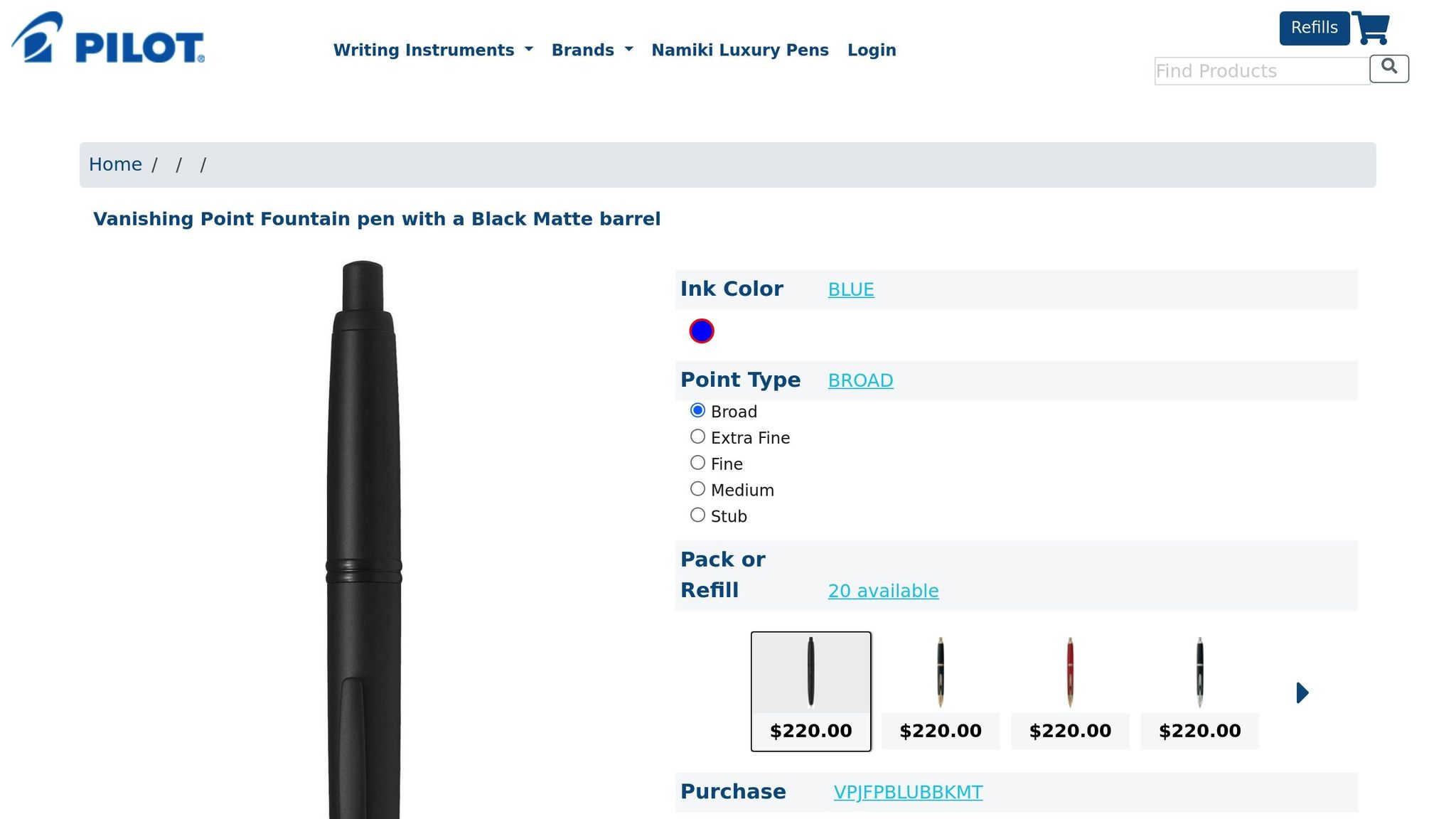
Troubleshooting Filling a Pilot Vanishing Point Fountain Pen (Full Fill)
How to Spot Air Bubbles in Your Converter
Catching air bubbles early can save you a lot of hassle when using your pen. Thankfully, most converters are designed to make spotting these pesky pockets of air relatively simple.
What to Look For
Air bubbles often show up as small, clear pockets or spheres trapped in the ink chamber. If you’re using a clear or translucent converter, you can easily see them by looking directly into the ink reservoir.
To check for bubbles, hold the converter up to a light source, like a desk lamp or a window. Slowly rotate it and look for any clear pockets moving through the ink. These bubbles usually float to the top of the reservoir when the pen is upright, but they can also stick to the walls or gather near the piston mechanism.
Pay close attention to the area around the piston or plunger. Air tends to get trapped here, especially if the converter wasn’t filled in a single, smooth motion. Tilting the converter can help you spot bubbles as they shift and collect near the top or sides of the ink chamber.
For opaque converters, spotting bubbles is more challenging. A helpful trick is to fill the converter with water first, as bubbles are easier to see in water than in ink. As you tilt the converter, watch for the telltale movement of air pockets.
Good lighting is key. Whether it’s natural daylight or a bright LED lamp, proper light can help you catch even the smallest bubbles that might otherwise escape notice.
Signs You Have Air Bubble Problems
If you can’t visually confirm air bubbles, your pen’s behavior might give them away. Look out for skipping, inconsistent lines, or needing extra pressure to write - these are classic signs of trapped air.
Another red flag is hard starts after the pen has been sitting unused. If the nib seems dry even though the converter is full, or if ink doesn’t flow right after filling, air bubbles are likely blocking the ink from reaching the nib.
Some users notice their pen works fine for a few words but suddenly stops mid-sentence. This stop-and-go pattern often points to air bubbles shifting through the feed system, temporarily cutting off ink flow before moving again.
If you suspect bubbles in an opaque converter, dipping the nib in warm water can help improve flow and confirm the issue.
How to Prevent Air Bubbles When Filling
Avoiding air bubbles during the filling process is all about precision and care. A well-filled pen ensures smooth writing, while air bubbles can lead to skipping and inconsistent ink flow.
How to Fill Your Converter Without Bubbles
The secret to a bubble-free fill is keeping the nib completely submerged in ink the entire time. Before you begin, check that your ink bottle has enough ink to cover the nib section entirely - not just the tip.
Start by unscrewing the pen barrel to access the converter. Dip the nib into the ink until the entire nib section is submerged. This step ensures that ink, not air, is drawn into the converter.
When operating the converter mechanism, use a slow and steady motion. Whether you’re twisting a piston converter, pushing a plunger, or squeezing an aerometric converter, avoid sudden stops or jerky movements - these can trap air. Watch the ink rise through the feed to confirm the converter is filling properly.
While different converters require slightly different techniques, the key is the same: smooth, deliberate actions. For piston converters, twist the mechanism evenly. Squeeze converters need consistent, gentle pressure. If you still notice small air pockets, don't worry - the next method can help clear them.
The Expel and Refill Method to Remove Air
Even with careful filling, tiny air bubbles can sometimes sneak in. The expel and refill method is a simple way to eliminate them while ensuring the feed is fully saturated with ink.
After filling, keep the nib submerged in the ink bottle. Gently reverse the converter mechanism to expel a small amount of ink back into the bottle. You might see a few drops of ink or small bubbles exiting the nib. Then, refill the converter by operating the mechanism again, making sure the nib stays fully submerged.
This process forces trapped air out of the converter and feed. For stubborn air pockets or after deep cleaning, you might need to repeat the expel and refill cycle a couple of times. This method works especially well with squeeze converters, which tend to trap more air because of their design. Each squeeze-and-release motion pushes air out while drawing in fresh ink. If you’re using a syringe to fill, this step isn’t necessary.
Positioning Your Pen for Optimal Filling
The way you hold your pen during filling can make a big difference in preventing air bubbles. A proper angle allows air to escape naturally as ink flows in.
Hold the pen vertically with the nib pointing straight down into the ink bottle. This position lets air rise to the top of the converter while ink fills from below, reducing the chance of air pockets. Gravity helps keep the process smooth and efficient.
Avoid tilting the pen at an angle or holding it horizontally, as this can trap air along the sides of the converter. Once you’re done filling, remove the pen slowly while keeping it vertical. This allows any excess ink to flow back into the bottle without drawing in air. Finally, wipe the nib gently with a lint-free cloth, still holding the pen upright.
Make sure the converter is securely attached to the pen. A loose connection can allow air to enter, even if you’ve filled it correctly.
How to Remove Air Bubbles Already in Your Converter
Even with careful filling, air bubbles can still sneak into your converter, disrupting the smooth flow of ink. Fortunately, there are straightforward ways to get rid of them and get your pen back to writing perfectly.
Tapping and Shaking the Converter
A simple way to start is by using gravity and motion to shift the bubbles. Gentle tapping or shaking can help move trapped air to a position where it’s easier to expel.
Hold your pen with the nib pointing upward and lightly tap the side of the converter with your finger. You should notice the bubbles slowly rising toward the top. If tapping doesn’t do the trick, try shaking the pen gently, keeping the nib pointed upward.
If your converter has a clear barrel, you can watch the bubbles move as you tap or shake. However, this method is more of a first step - it helps reposition the bubbles but doesn’t fully remove them. Once the bubbles are near the top, you’ll need to use the expel and refill method to get rid of them entirely.
Expelling and Refilling to Clear Bubbles
The most effective way to eliminate air bubbles is by expelling the ink and drawing in fresh ink. This forces the air out while replacing it with bubble-free ink.
Start by dipping the nib into your ink bottle so that it’s fully submerged. Slowly twist the converter mechanism to push ink - and the trapped air - out through the nib. You’ll see the bubbles leave along with the ink.
Next, reverse the mechanism to draw fresh ink back into the converter. Watch the ink as it rises through the feed to ensure it’s filling smoothly. If you still spot bubbles, repeat the process. Stubborn bubbles may require two or three cycles to clear completely.
Once you’re satisfied, give the piston a slight reverse twist to pull in just a bit more ink. This can help remove any lingering air pockets. Finally, wipe off any excess ink from the nib with a soft cloth and test your pen on scrap paper to confirm smooth ink flow. If bubbles persist, move on to other methods.
Other Methods for Difficult Bubbles
Some air bubbles are more stubborn and won’t budge even after multiple expel-and-refill attempts. For these, you can try using a syringe for precise filling or gently rotating the converter to dislodge the air.
If your converter has a clear barrel, keep an eye on the bubbles as you twist to see if they’re shifting in the right direction. Using a syringe allows for controlled filling, which can help push out bubbles while minimizing the chance of introducing new ones.
If bubbles keep reappearing or the converter doesn’t seem to fit properly, the issue might be with the converter itself. In that case, consider switching to a different model that provides a tighter seal and works better with your pen.
sbb-itb-1dd4fe9
What to Do When Air Bubbles Keep Coming Back
If you've tried the basics and air bubbles still keep showing up, the problem might go deeper - think cleanliness, compatibility, or even the converter itself. Let’s tackle these step by step.
Cleaning and Flushing Your Pen
Sometimes, air bubbles are caused by ink residue or debris clogging up the works. A good cleaning can often fix what filling techniques can't.
Start by unscrewing the barrel and removing the converter from the grip section. Use a bulb syringe filled with room-temperature water to flush the nib, feed, and converter. Keep flushing until the water runs clear. If you’re dealing with stubborn dried ink, warm water can help dissolve the buildup more effectively.
Once you’ve finished flushing, let all the parts air dry completely before putting your pen back together. This thorough cleaning helps clear out any blockages that could be causing those pesky bubbles. When you refill your pen after cleaning, make sure to fill the converter slowly and steadily to avoid introducing new air bubbles.
Ensuring Your Converter Fits Properly
If cleaning doesn’t solve the issue, it’s time to check if your converter is the right fit for your pen. A poor fit can let air sneak in, no matter how carefully you fill it.
A well-fitting converter should sit snugly in place without wobbling or leaving gaps. If it’s too loose, air can seep in and create bubbles. On the other hand, if it’s too tight, you might have trouble inserting it fully or risk damaging your pen’s internal components.
The ideal converter fits smoothly and aligns perfectly with no visible gaps. Compatibility issues often arise when using third-party converters that aren’t designed for your specific pen. To avoid this, check your pen’s manual or visit the manufacturer’s website to confirm which converters are compatible.
When It’s Time for a New Converter
If cleaning and ensuring a proper fit don’t solve the problem, your converter might be the culprit. Over time, converters can wear out or develop defects, making them unable to hold a proper seal.
Signs you need a replacement include visible cracks in the barrel, a piston or plunger that no longer moves smoothly, or ink leaks. Any of these issues can prevent your converter from drawing ink evenly and keeping air out.
Consider picking up a new converter from a reliable source like Fountain Pen Revolution, which offers options compatible with many fountain pen brands. Having a spare converter on hand is always a good idea - it’s a quick fix that can save you from unnecessary frustration. Pairing a fresh converter with proper filling techniques should resolve those recurring air bubble issues for good.
Managing Air Bubbles During Air Travel
Flying with a fountain pen can be tricky if you’re not prepared. The changes in altitude during a flight can create challenges for converters, leading to leaks or a pen that won’t write when you need it most. Understanding why this happens and how to prepare can save you from a messy situation.
Why Altitude Causes Air Bubble Problems
When you’re up in the air, the reduced cabin pressure causes any air trapped in your pen’s converter to expand. This expansion can push ink out through the feed or nib, potentially leading to leaks or disrupting the ink flow. Even a tiny air bubble that seemed harmless on the ground can grow significantly at higher altitudes, interfering with how the ink flows. On top of that, the surface tension of the ink can affect how bubbles move within the converter, so the type of ink you use might also play a role in how your pen behaves during a flight.
To avoid these altitude-related issues, a little preparation goes a long way.
How to Prepare Your Pen for Flying
There are two main strategies to deal with air bubbles when flying: either fill your converter completely or empty it entirely. Here’s how each approach works:
- Full Converter Method: Before heading to the airport, fill your converter completely with ink. To minimize the risk of air pockets expanding, expel a few drops of ink before boarding.
- Empty Converter Method: Clean out your converter and let it dry completely before traveling. You can pack a small bottle of ink in your checked luggage or buy ink at your destination. While this method avoids leaks and air bubbles, it does mean your pen will be empty during the flight.
To further protect your pen, store it vertically with the nib pointing downward. This keeps ink in contact with the feed and reduces the chance of air and ink separating. Avoid storing your pen horizontally or with the nib pointing upward. Keeping your pen in a case or pouch is also a good idea, and try not to place it in overhead compartments where pressure and temperature changes can be more extreme. For added protection, wrap your pen in a small plastic bag to guard against unexpected leaks.
Once you land, give your pen about 15–30 minutes to adjust to ground pressure, keeping the nib pointed down. If it doesn’t write right away, gently tap the converter against a hard surface 5–10 times. Before diving into your notes or journal, test your pen on some scrap paper. If you notice any flow problems, use the expel-and-refill technique to clear out any lingering air bubbles.
For frequent flyers, converters with small volumes or narrow channels tend to have more bubble issues. Investing in a high-quality piston converter, such as those available at Fountain Pen Revolution, can make a big difference. These converters are designed to work well with a variety of fountain pen models and can help minimize air bubble headaches during your travels.
Conclusion
Air bubbles in fountain pen converters don’t have to disrupt your writing flow. By filling the pen slowly with the nib fully submerged and using the expel-and-refill method, you can effectively eliminate trapped air.
Regular cleaning is also key. Flush your pen every 1–2 weeks if you use it daily, or before each use after it’s been stored. This habit helps remove residue that may trap air and is especially important when switching ink colors to avoid contamination that could lead to flow problems. These simple steps can make a big difference in maintaining a smooth writing experience.
If air bubbles persist despite proper filling and cleaning, it might be time to replace the converter. Signs of a failing converter include a piston that feels stuck or resistant, a lack of proper suction when drawing ink, or leaks that cleaning can’t resolve. A damaged seal or worn-out mechanism can compromise performance, so replacing the converter is often the best solution.
The quality of your supplies also plays a role. Using well-made piston converters and high-quality inks minimizes bubble formation and enhances overall performance. For example, products from Fountain Pen Revolution offer reliable options for everyday writers.
Crafted by passionate pen lovers. Priced for the everyday writer.
Their selection of pens, inks, nibs, and feeds provides the essentials you need to keep your fountain pen writing beautifully without overspending.
FAQs
How can I tell if air bubbles are causing my fountain pen to skip or write inconsistently?
Air bubbles in a fountain pen converter can mess with the ink flow, causing skipping or uneven writing. To spot this issue, gently tap the converter or hold it up to the light to check for any visible air pockets in the ink. See bubbles? Try twisting the converter's piston slightly to push the air out, or remove and reinsert the converter to ensure it's sealed properly. Keeping your pen clean and using proper filling techniques can go a long way in preventing air bubbles from forming down the line.
How can I fill my fountain pen converter properly and avoid air bubbles?
To properly fill your fountain pen converter and avoid air bubbles, begin by fully immersing the nib into the ink bottle. Slowly operate the converter mechanism - whether by twisting or pulling - to draw ink into the reservoir. After the reservoir is filled, expel a small amount of ink back into the bottle. This step helps release any trapped air, ensuring smooth ink flow. Once done, refill the converter completely.
If you notice air bubbles lingering, gently tap the converter or give it a slight twist to help the bubbles rise and escape. Keeping your pen and converter clean is also key. Regular cleaning prevents issues caused by dried ink or debris, ensuring your pen writes smoothly every time.
Why do air bubbles in fountain pen converters become a problem during flights, and how can I prevent ink flow issues while traveling?
When flying, changes in cabin pressure can cause air bubbles in fountain pen converters to expand. This often disrupts ink flow, leading to uneven or inconsistent writing - something frequent travelers might recognize.
To avoid this issue, make sure your pen's converter is completely filled with ink before takeoff. A full converter leaves little room for air, reducing the chance of bubbles expanding. Also, store your pen with the nib pointing upward during the flight to help prevent any ink leakage. If you still face problems mid-flight, try gently tapping the converter or twist the mechanism to expel the air bubble and get the ink flowing smoothly again.