

Want to start your fountain pen journey without overspending? These five beginner-friendly fountain pens under $50 combine smooth writing, durability, and ease of use. Here's a quick rundown:
- TWSBI ECO ($32): Piston-filling system with a large ink capacity - ideal for those ready to try bottled inks.
- Lamy Safari ($25): Lightweight and ergonomic with a triangular grip for proper hand positioning.
- Pilot Metropolitan ($18): Sleek design, reliable nib, and great for everyday use.
- Kaweco Sport ($28): Compact and portable, transforms into a full-sized pen when posted.
- Platinum Preppy ($7): Budget-friendly option with a smooth nib and dependable performance.
Whether you're looking for simplicity, portability, or a touch of elegance, these pens deliver quality without breaking the bank. Keep reading for details on each pen's features and tips for getting started with your first fountain pen.
The 5 Fountain Pens I Would Get FIRST Knowing What I Know Now 👀 A Beginner Fountain Pen Road Map
What to Look for in Beginner Fountain Pens
Choosing your first fountain pen can feel a bit overwhelming, but focusing on a few key features will make all the difference in your writing experience. Let’s break down what matters most when starting out.
Nib smoothness is absolutely crucial for beginners. A well-made nib should glide effortlessly across the page, making writing feel natural and enjoyable. Medium nibs are a great choice because they offer a consistent ink flow and are more forgiving for those still perfecting their technique. When it comes to materials, steel nibs are a smart pick - they're durable, affordable, and perfect for learning the ropes.
Filling systems play a big role in how easy it is to maintain your pen. Cartridge/converter systems are beginner-friendly and versatile. Cartridges are convenient for quick refills, while converters open up a world of ink options. For example, the Pilot CON-70 converter is known for its ease of use.
Comfort is another big factor. The ergonomics of the pen - its grip, weight, and balance - can significantly impact how enjoyable it is to use. Look for a pen with a balanced weight distribution and a comfortable length that suits your writing style.
Since beginners might be a bit rougher with their pens, durability is key. Opt for pens with sturdy builds, secure caps, and reliable clips to handle everyday wear and tear.
Price range is also important. In the U.S., beginner fountain pens typically cost between $15 and $50. Within this range, you’ll find pens that offer solid performance, good durability, and easy-to-replace parts. These pens are designed to handle minor mistakes, giving you the freedom to develop your skills without constant frustration.
Finally, consider ink capacity and availability. Pens that use standard international cartridges provide access to a wide variety of ink colors and brands, giving you plenty of options to experiment with as you start your fountain pen journey.
1. TWSBI ECO
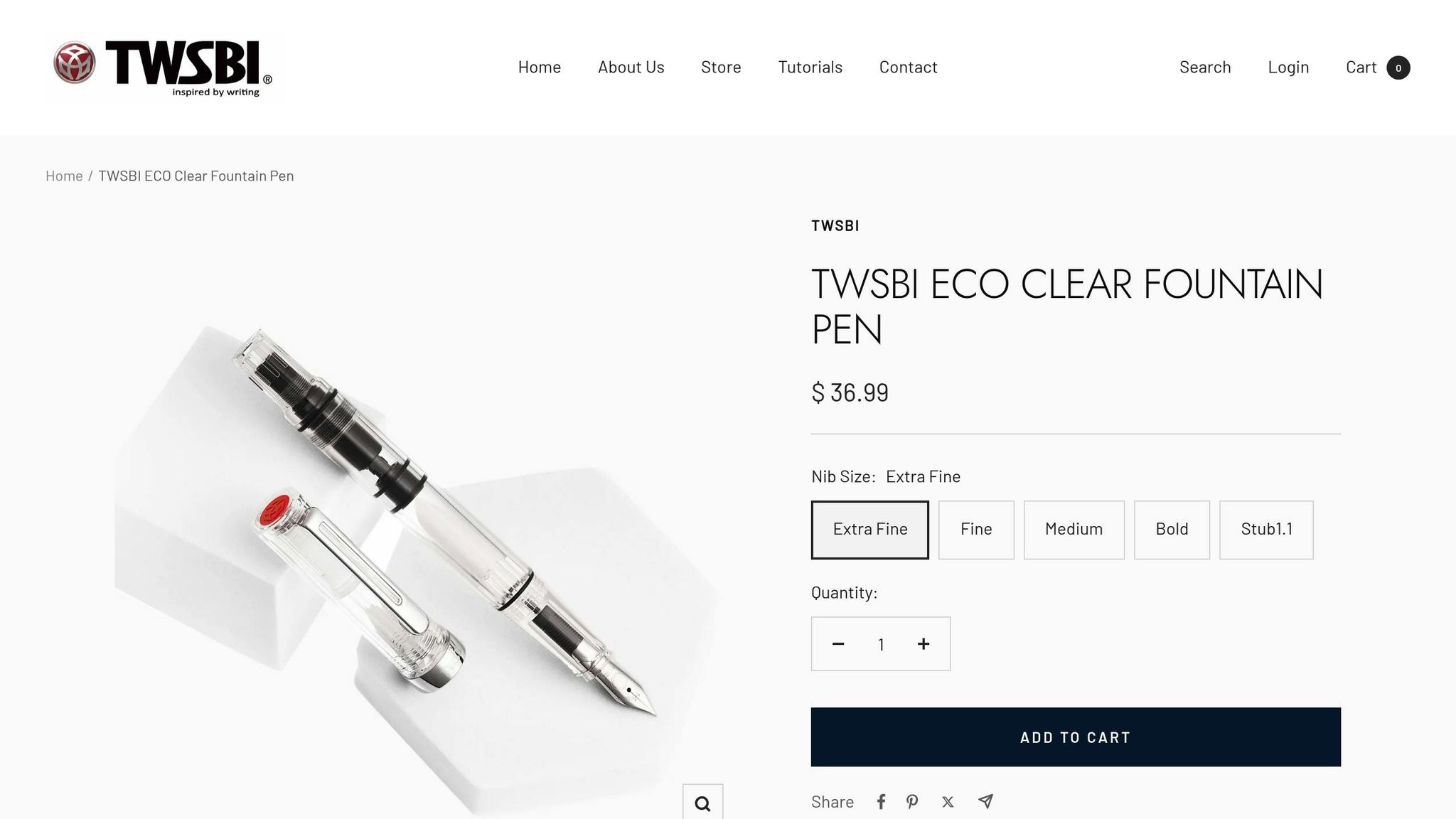
The TWSBI ECO is a standout option for beginners, combining ease of use with reliable performance. Featuring a #5 Jowo steel nib, it offers a consistently smooth and enjoyable writing experience. The nib is responsive and glides effortlessly across the page, delivering a steady flow of ink for a wet and fluid feel. Its dependable design makes it a perfect match for anyone just starting their journey into the world of fountain pens.
2. Lamy Safari

The Lamy Safari has earned its place as a go-to fountain pen for beginners, offering a blend of affordability, durability, and ease of use - all for under $50. It's a modern classic that’s perfect for anyone starting their fountain pen journey.
Comfort and Ergonomics
One of the standout features of the Safari is its triangular grip section. This design naturally positions your fingers correctly, making it a fantastic tool for beginners who are still mastering their writing technique. Bryant Del Toro of The Stationery Project highlights this advantage:
"The triangular grip encourages proper form, making it ideal for those learning how to hold a pen correctly. Especially helpful if you're new to proper writing posture."
The pen’s lightweight design further enhances its comfort, allowing for extended writing sessions without causing hand fatigue. It’s particularly well-suited for a tripod grip, which is a popular choice among fountain pen users.
Durability and Build Quality
Don’t let the Safari’s light feel fool you - it’s built to last. Designed for daily use, it combines portability with toughness. As Bryant Del Toro puts it:
"The Safari feels light in hand but tough enough to handle daily use or being tossed into a pencil pouch."
This makes it a practical option for students, professionals, or anyone looking for a reliable pen that can handle the rigors of everyday life.
Ease of Filling and Cleaning
The Safari doesn’t just excel in design and durability - it’s also incredibly user-friendly when it comes to maintenance. It offers two simple filling options:
- Lamy proprietary ink cartridges: These are easy to install with a push-and-click mechanism. The pen comes with a blue cartridge pre-installed, so you can start writing as soon as you remove the cardboard spacer ring between the barrel and grip section.
- Lamy Z28 converter: Sold separately, this allows you to use bottled inks for a more personalized writing experience.
Cleaning the pen is straightforward, too. For routine maintenance, flush it with water every two weeks or when changing inks. For more stubborn ink residue, a dedicated pen flush can be used. Since Lamy dip-tests each pen at the factory, it’s recommended to clean your new Safari before its first use to remove any residual ink.
With its ergonomic design, dependable durability, and hassle-free upkeep, the Lamy Safari is a smart choice for anyone looking to dive into the world of fountain pens.
3. Pilot Metropolitan
The Pilot Metropolitan is a standout choice for anyone stepping into the world of fountain pens. With a price range of $18 to $25, it offers a sleek design and dependable performance that have earned it the nickname, "the gateway pen for many enthusiasts".
Nib Smoothness and Reliability
The Metropolitan features a Japanese nib that ensures a steady, fine ink flow, often surpassing the performance of Western nibs. It’s crafted to glide effortlessly across the page, producing crisp, clean lines straight out of the box. This consistency makes it a go-to for beginners and seasoned writers alike. Fountain pen enthusiast Brendan Murphy sums it up best:
"The Pilot Metro's just…always work! The most used and abused pen I have and never needs coaxing to get going."
Even the Medium nib holds its own on lower-quality paper, making it a forgiving choice for those still experimenting with their writing tools.
Ease of Filling and Cleaning
The Metropolitan is beginner-friendly when it comes to filling and maintenance. It works with both Pilot’s proprietary cartridges and converters, giving users flexibility. Most pens come equipped with a squeeze converter, but many enthusiasts prefer upgrading to the Pilot CON-70 twist converter. Alexandra Richardson, a content creator at Goldspot Pens, shares her advice:
"I would recommend the CON-70 as they are the easiest Pilot converter to fill up."
For those just starting out, the cartridge option simplifies the refilling process even further.
Comfort and Ergonomics
The brass barrel of the Metropolitan strikes the perfect balance - it feels solid and substantial without being overly heavy. Its full-sized design makes it comfortable for long writing sessions, whether you're jotting down notes or journaling at home. Many users praise its comfort for daily use.
Durability and Build Quality
Despite its budget-friendly price, the Metropolitan is built to last. Its metal body, finished with a lacquered coating, offers a polished, high-end appearance that rivals pens costing much more. Backed by Pilot's reputation for quality, this pen is designed to withstand everyday use while maintaining its reliable performance. For those seeking an affordable entry point into fountain pens, the Metropolitan delivers exceptional value in the under-$50 category.
sbb-itb-1dd4fe9
4. Kaweco Sport
The Kaweco Sport is a standout choice thanks to its clever design and budget-friendly price. With models starting at around $25 for the plastic version and going up to $36 for special editions like the Apricot Pearl and Honey, this pen seamlessly transforms from a compact, pocket-sized tool into a full-sized writing instrument in seconds.
Comfort and Ergonomics
One of the Kaweco Sport’s best features is its portability without sacrificing comfort. When closed, its compact size is perfect for slipping into a shirt pocket or a small bag. But here’s the clever part: once you post the cap on the back, it becomes a full-sized pen that feels balanced and comfortable in your hand. This thoughtful design makes it a great choice for both quick notes and extended writing sessions, combining convenience with ease of use.
Durability and Build Quality
Built to handle the demands of daily life, the Kaweco Sport is crafted from lightweight, injection-molded ABS plastic, ensuring it can withstand regular use. The screw-on cap adds an extra layer of reliability, preventing leaks and keeping the nib protected - even in less-than-ideal conditions like rainy weather. For those seeking a more premium feel, metal and turned acrylic versions are also available, but the standard plastic model already offers impressive durability and dependability at an accessible price point.
5. Platinum Preppy
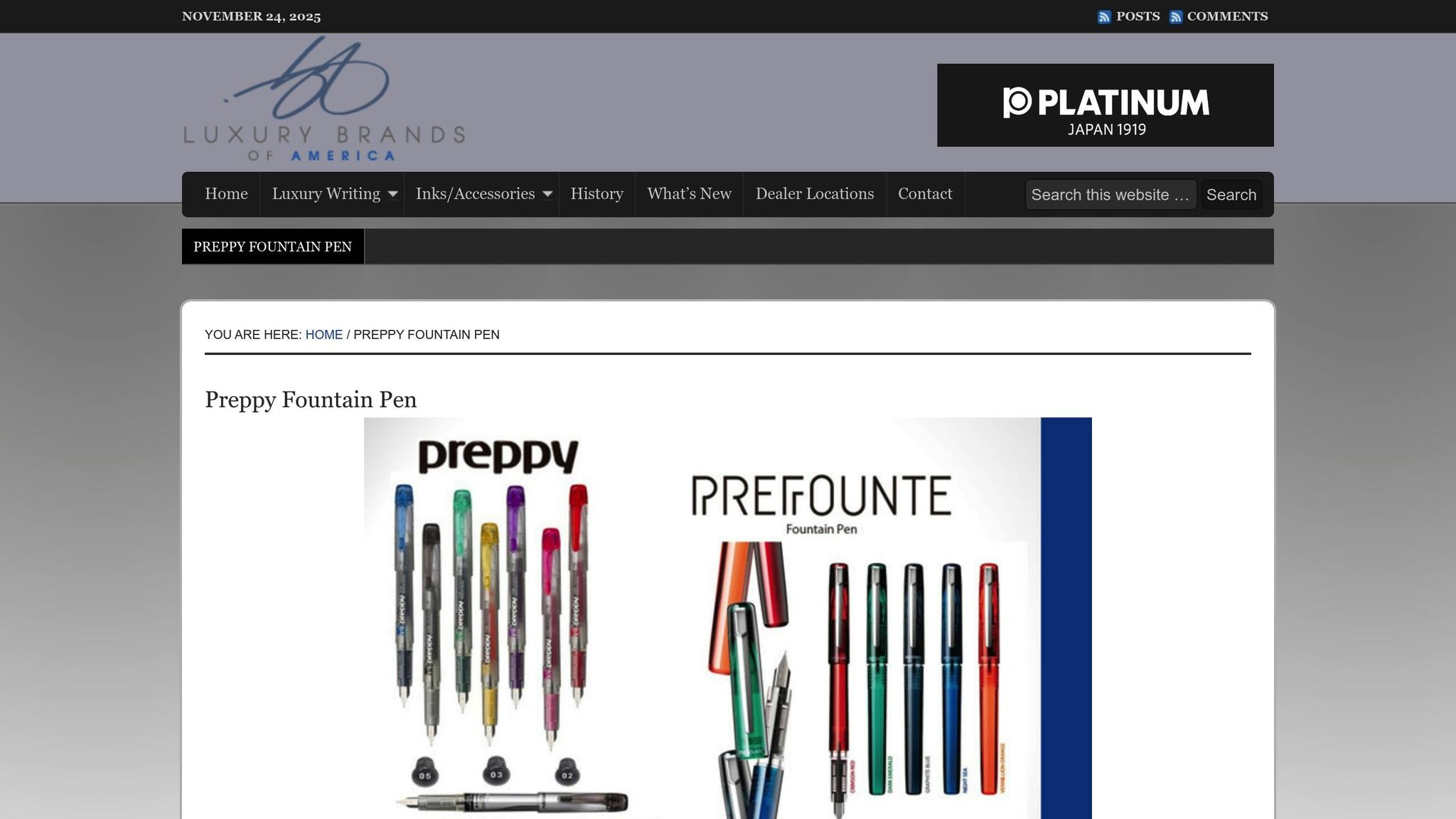
Wrapping up our list is the Platinum Preppy, a budget-friendly fountain pen that doesn’t skimp on quality. At just $7.00, it’s the most wallet-friendly option here. For beginners curious about fountain pens, the Preppy offers a chance to dive in without breaking the bank - costing less than your average cup of coffee. Despite its low price, this pen delivers an unexpectedly solid writing experience, making it an excellent entry point.
Now, let’s take a closer look at its performance.
Nib Smoothness and Reliability
The nib is where the magic happens, and the Preppy doesn’t disappoint. Known for its smooth writing, it comes in three nib sizes, catering to different handwriting styles and everyday needs. Whether you’re jotting down notes or writing letters, this pen has you covered.
Durability and Build Quality
One of the standout features of the Platinum Preppy is its clever "Slip and Seal" cap design. This feature keeps the ink from drying out, even if the pen hasn’t been used for a while. While the pen’s plastic body doesn’t scream luxury, it’s sturdy enough for daily use and dependable for those just starting their fountain pen journey.
Ease of Filling and Cleaning
The Preppy is easy to maintain, working seamlessly with Platinum Black Ink Cartridges, which are available in 2-packs for $3.50. For those looking to explore more ink options, the Platinum Cartridge Converter - priced at $11.00 - lets you switch to a piston-filling system, opening up a world of possibilities.
Side-by-Side Comparison
Now that we've gone over each pen individually, let’s take a moment to compare them directly. The table below highlights the main features, followed by a closer look at what these differences mean in practical use.
| Pen Name | Price (USD) | Filling Mechanism | Key Features |
|---|---|---|---|
| TWSBI ECO | $32.00 | Piston-filling (uses bottled ink) | Large 1.8ml ink capacity |
| Lamy Safari | $25.00 | Proprietary cartridges; optional converter | Beginner-friendly system with expanded ink options |
| Pilot Metropolitan | $18.00 | Proprietary cartridges; includes CON-B converter | Includes CON-B squeeze converter; CON-40 twist converter available for easier cleaning |
| Kaweco Sport | $28.00 | Standard international cartridges; optional converter | Compatible with widely available cartridges and bottled inks |
| Platinum Preppy | $7.00 | Proprietary cartridges; converter option | Convertible to an eyedropper filler for larger ink capacity |
Practical Insights
The filling mechanisms are a key factor for choosing the right pen. The TWSBI ECO features a piston-filling system, which requires users to fill directly from an ink bottle. While this method offers a generous ink capacity, it might feel a bit daunting for beginners. On the other hand, cartridge-based systems like those in the Lamy Safari, Pilot Metropolitan, Kaweco Sport, and Platinum Preppy make the process more straightforward. These systems are particularly beginner-friendly, as cartridges are easy to use and replace.
For those who want more flexibility, all of these cartridge-based pens also offer converter options, allowing users to experiment with bottled inks. This expands the range of ink choices while keeping the filling process manageable.
When it comes to price, the Platinum Preppy is the clear winner for anyone on a tight budget. At just $7.00, it offers an affordable entry point into fountain pens. On the premium side of this under-$50 category, the TWSBI ECO stands out at $32.00, offering a more advanced filling system and larger ink capacity. The Pilot Metropolitan ($18.00), Lamy Safari ($25.00), and Kaweco Sport ($28.00) sit comfortably in the middle, each delivering solid value for their price.
For absolute beginners, the simplicity of cartridge systems makes pens like the Lamy Safari or Platinum Preppy excellent starting points. Meanwhile, those ready to explore bottled ink might appreciate the versatility of the TWSBI ECO or Kaweco Sport.
Getting Started with Your First Fountain Pen
Now that you've picked out your ideal fountain pen, it's time to set it up for a smooth, enjoyable writing experience. Here's how to get started.
Choosing Your First Nib Size
When it comes to nib sizes, medium nibs are a great option for beginners. They provide a balanced line quality and work well on most types of paper. If your handwriting tends to be small, you might prefer a fine nib, though keep in mind that fine nibs can feel a bit scratchy on lower-quality paper. Broad nibs, on the other hand, can cause ink to bleed through thinner pages. For most new users, a medium nib is the safest and most versatile choice.
Setting Up Your Pen
If your pen uses cartridges, setup is straightforward. Take off the barrel, insert the cartridge until you hear a slight pop, and give the ink a few moments to flow to the nib. It's normal for the first few strokes to feel dry.
For pens with a converter, start by attaching the converter to the pen. Dip the nib into an ink bottle so the feed (the part just below the nib) is submerged. Slowly operate the converter to draw ink into the pen, then gently wipe the nib clean with a soft cloth. This process ensures the pen is ready to write smoothly.
Paper and Ink Recommendations
The paper you use can make or break your fountain pen experience. Brands like Rhodia and Clairefontaine are highly recommended for their smooth surfaces, which minimize issues like feathering and ink bleeding.
When selecting ink, a standard blue-black is a great starting point. It's reliable, flows well, and dries quickly, reducing the chances of smudges or stains - especially helpful if you’re still learning how to maintain your pen.
Essential Accessories
To keep your pen in top condition, a few accessories are worth considering. A protective pen case not only guards against damage but also helps prevent the nib from drying out. For cleaning, basic tools like a bulb syringe and distilled water are invaluable. Flushing your pen every few weeks - or whenever you switch ink colors - will ensure it continues to perform smoothly.
Getting the Best Value
If you're looking for an affordable way to dive into the world of fountain pens, consider a Fountain Pen Revolution starter set. Starting at $35, these kits typically include a pen, ink cartridges, and essential accessories, giving you everything you need to get started. For even more flexibility, their bundles starting at $29 let you experiment with different combinations without spending extra on individual items. It’s a practical way to explore your new hobby without breaking the bank.
Conclusion
You don’t need to break the bank to dive into the world of fountain pens. The five pens we’ve highlighted - the TWSBI ECO, Lamy Safari, Pilot Metropolitan, Kaweco Sport, and Platinum Preppy - show that you can enjoy excellent writing quality without spending more than $50.
Each of these pens brings something special to the table. Whether it’s the generous ink capacity of a piston filler, the rugged reliability of an everyday companion, or the pocket-friendly convenience of a compact design, they all share one thing in common: smooth, consistent ink flow that makes writing a joy.
What’s truly impressive is how these affordable pens hold their own against pricier models. You’ll feel the difference right away - less strain during extended writing sessions, a smoother glide across the page, and that unmistakable fountain pen charm that turns even mundane writing tasks into a satisfying experience.
Pick the pen that catches your eye, pair it with some good-quality paper, and start writing. Whether you’re jotting down notes, keeping a journal, or simply enjoying the act of writing, these pens are ready to elevate the experience. Every stroke of the pen will remind you why fountain pens are cherished by writers and enthusiasts alike.
FAQs
Why should beginners choose a fountain pen over a ballpoint pen?
Fountain pens offer a writing experience that's both smooth and satisfying, setting them apart from ballpoint pens. With their ability to adjust line thickness, they bring an expressive and personal touch to your handwriting.
For those just starting out, fountain pens are also a practical choice for long writing sessions. They require minimal pressure, which helps reduce hand fatigue. On top of that, they bring a sense of sophistication and a creative flair to your daily writing routine.
How can I pick the best nib size for my writing when starting with fountain pens?
When selecting a nib size, it's all about matching it to your writing style and personal preferences. If you tend to write with smaller, more intricate letters or need precision, a fine nib might be your best bet. On the other hand, if your handwriting is larger or you prefer a more pronounced, bold appearance, a broad nib could be the way to go. For those who want a balanced, all-purpose option, a medium nib is a reliable choice that suits most writing styles.
If you're new to fountain pens, trying out different nib sizes can help you discover what feels most natural and enhances your writing flow.
What are some easy maintenance tips to keep a beginner fountain pen in great condition?
To keep your beginner fountain pen in top shape, regular upkeep is a must. Aim to clean it every 4–6 weeks, especially if it's part of your daily routine. Simply flush the nib and feed with lukewarm water to clear away any ink buildup. Be sure to let it dry completely before refilling. Pro tip: Steer clear of hot water - it can harm the pen’s delicate components.
Stick to high-quality fountain pen ink to avoid clogging or damaging the nib. When you're not using the pen, store it either horizontally or with the nib pointing upward to reduce the chances of leaks. And remember, treat your pen with care - gentle handling helps prevent scratches or a bent nib, so it stays a reliable and enjoyable writing companion for years.